Select
Requirements, shortlist, differences, risks and pilot recommendation.
Advisory + supplyEngineering and supply services
RuggedLayer organizes access to multiple manufacturers into a consistent engagement model. Each layer has a defined input, deliverable and evidence boundary.
OEM / ODM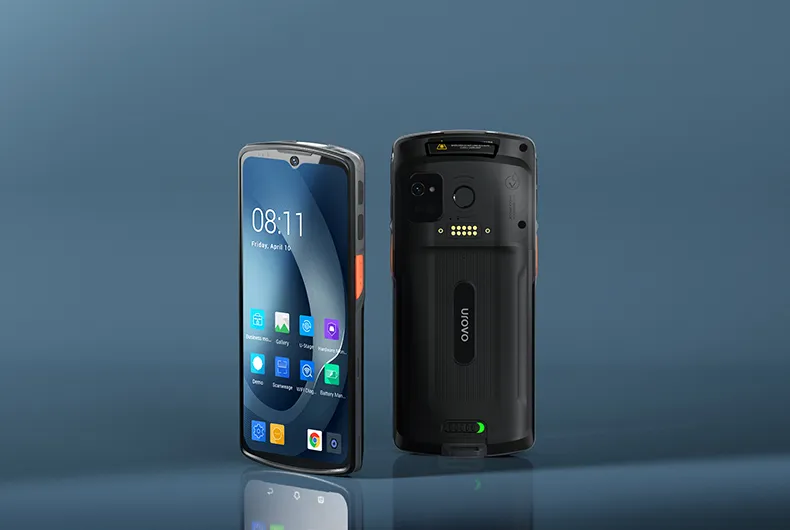
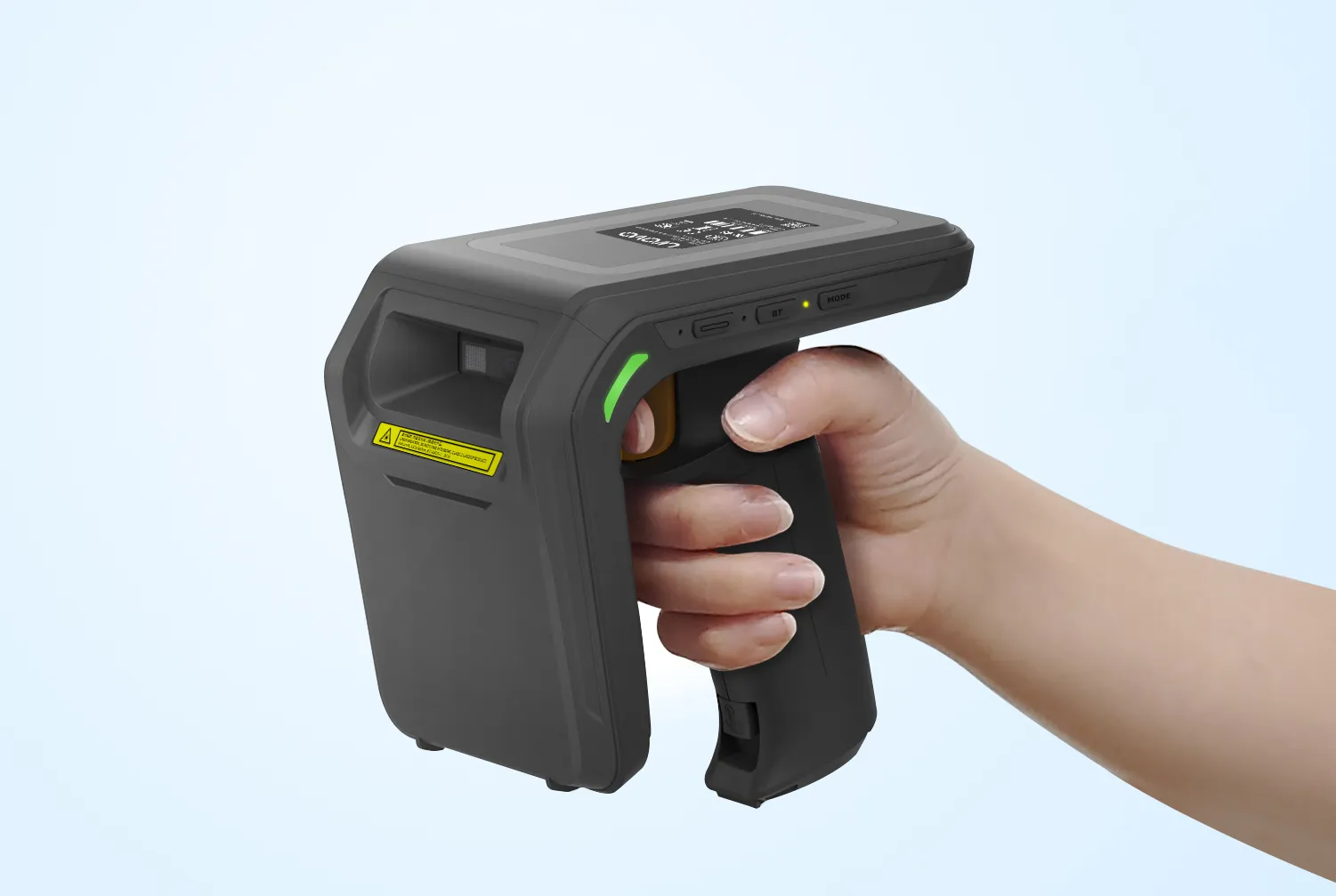
Service layers
The delivery chain connects application fit, device evidence, configuration and supply decisions so an existing software workflow can reach deployment with fewer unknowns.
Requirements, shortlist, differences, risks and pilot recommendation.
Advisory + supplyApplication, SDK, scan, RFID, MDM and network compatibility assessment.
Engineering serviceBaseline, app, profile, label, accessory and staging coordination.
Per-device + projectPrivate-label, configured-platform and qualified OEM/ODM feasibility scope.
Program serviceSpares, RMA, EOL, replacement planning and revalidation triggers.
Fleet continuityDeveloper-first evaluation
The Developer Hub turns device-interface patterns, SDK details, sample workflows and compatibility findings into versioned guidance for teams connecting an existing app.
Commercial boundaries: Hardware margin, validation, staging, project management and lifecycle support are distinct value streams. Scope and fees depend on the project.
Select -> Validate -> Deploy -> Custom -> Lifecycle
The delivery chain connects application fit, device evidence, configuration and supply decisions so an existing software workflow can reach deployment with fewer unknowns.
RuggedLayer Select
Shortlist 2-3 platforms against workflow, environment, software and region.
RuggedLayer Validate
Review the device interface, then test the app, scanner, RFID, keys, MDM and network before volume purchase.
RuggedLayer Deploy
Prepare a repeatable device baseline, app configuration, accessories, staging steps and handoff limits.
RuggedLayer Custom
Coordinate private label, configured platforms and qualified OEM/ODM work.
RuggedLayer Lifecycle
Plan spares, RMA, firmware notices, EOL migration and replenishment.

RuggedLayer Test Lab
Test reports distinguish manufacturer-supported facts from our own measurements, state the configuration and publish limitations.
Symbology, distance, damaged labels, angle, lighting and repeated trials.
Tags, power, distance, orientation, environment and inventory behavior.
OS, firmware, SDK, MDM and application build recorded together.
Hardware margin, validation, staging, project management and lifecycle support are distinct value streams. Scope and fees depend on the project.
Project intake
A short requirement review will identify whether selection, validation or customization comes first.
Requirements, shortlist, differences, risks and pilot recommendation.
Advisory + supply
Request a device shortlistIntent, SDK and keyboard-wedge patterns with lifecycle and error handling.
Integration guide
Validate my applicationLogo, packaging, manual and approved boot or UI branding.
Lowest change level
Start an OEM projectProject intake
Choose the closest project intent and describe only non-confidential workflow, application and deployment requirements.